
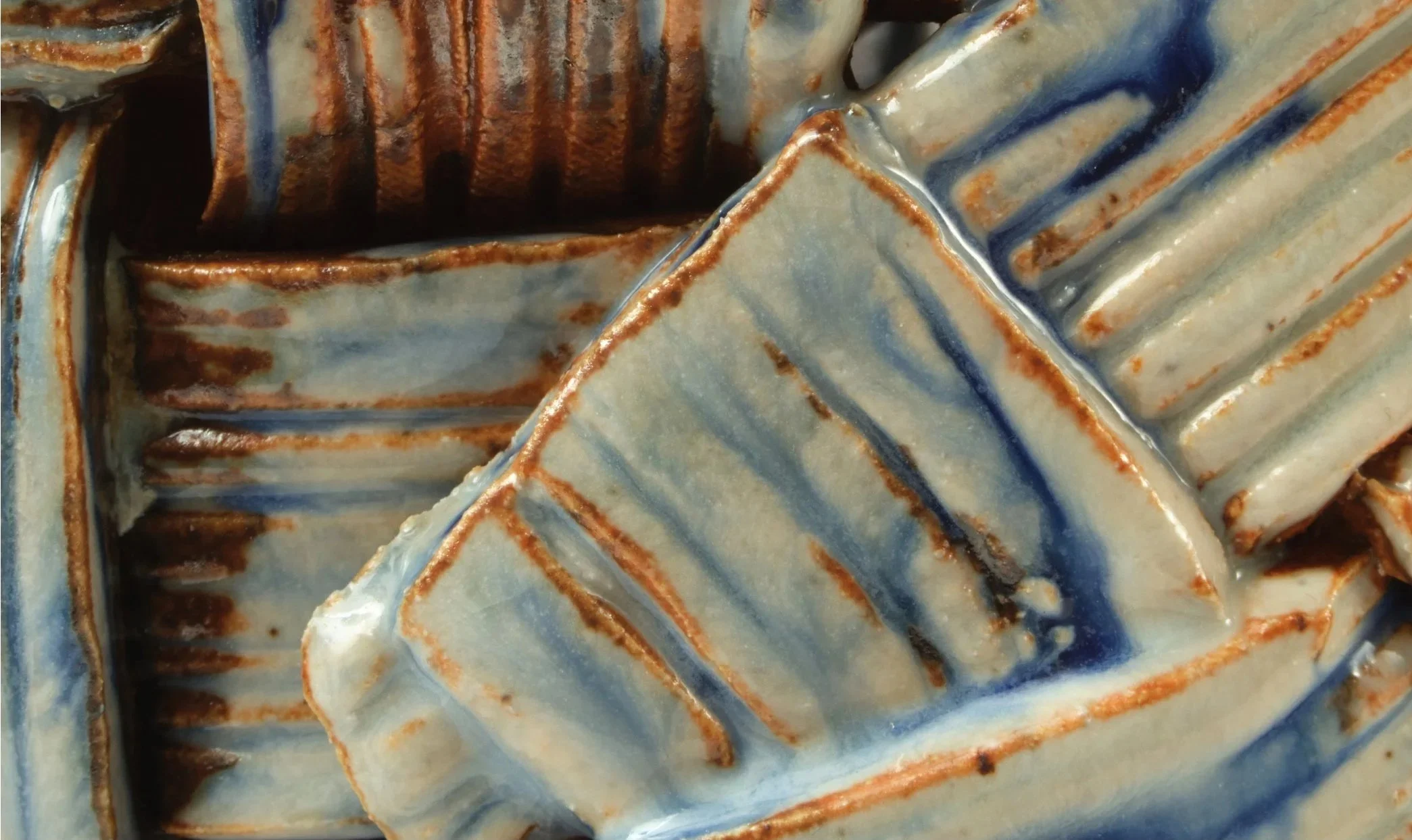
SOON COME HOME,


Bibliography
Anina Major (she/her) is a visual artist from the Bahamas. Her decision to establish a home contrary to the location in which she was born and raised motivates her to investigate the relationship between self and place as a site of negotiation. By utilizing the vernacular of craft to reclaim experiences and relocate displaced objects, her practice exists at the intersection of nostalgia, and identity. Major holds an MFA from Rhode Island School of Design. She is the recipient of numerous awards and residencies, including being a 2026 USA Fellow, finalist in the 2025 Loewe Craft Prize, winner of the Armory Show 2024 Pommery Prize, the 2023 Joan Mitchell Fellowship and the EKWC, Centre-of-excellence for ceramics international artist-in residency. Major’s work has been exhibited in The Bahamas, Europe and across the United States with a permanent display at the National Museum of African American History and Culture in Washington, DC.
Her work is included in permanent collections of the National Gallery of The Bahamas, the Museum of Fine Arts, Boston, Los Angeles County Museum of Art, Carnegie Museum of Art, Rhode Island School of Design Museum, the Perez Art Museum of Miami and Detroit Institute of Arts Museum, among others. Her work has also been featured in The New York Times, Forbes magazine, and published in Phaidon Press Great Women Sculptors.
Works were recently shown at the Larkin Durey, Mattatuck Museum, and a solo show at the Perez Museum Miami , Anina Major: The Sacred Mangrove October 1, 2026 - August 1, 2027.
Works List
All prices inclusive of 10% Bahamas VAT
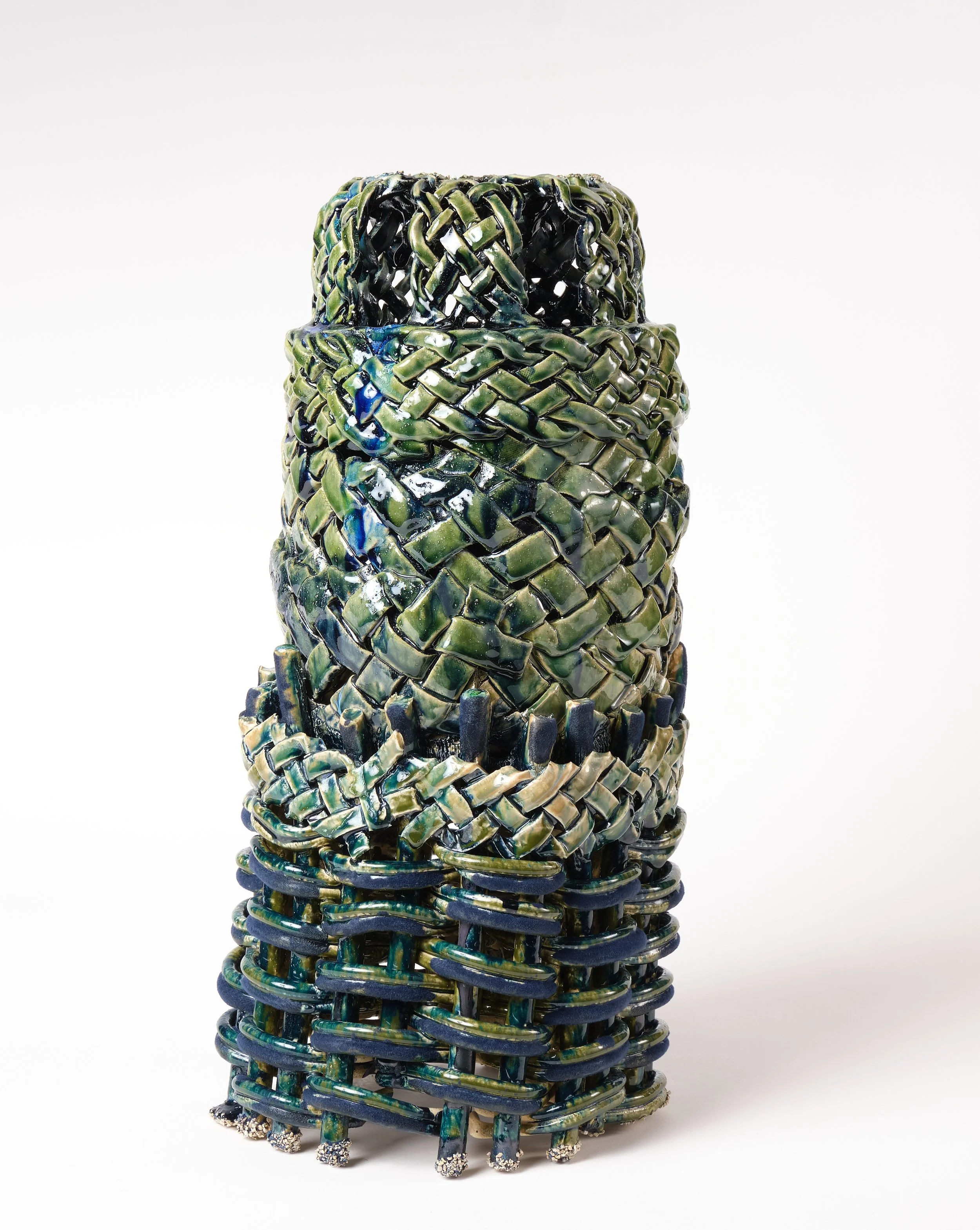
House in the Sky, 2026 Glazed stoneware, sand, flocking 20 x 9 in (50.80 x 22.86 cm) $ 24,000.00 USD
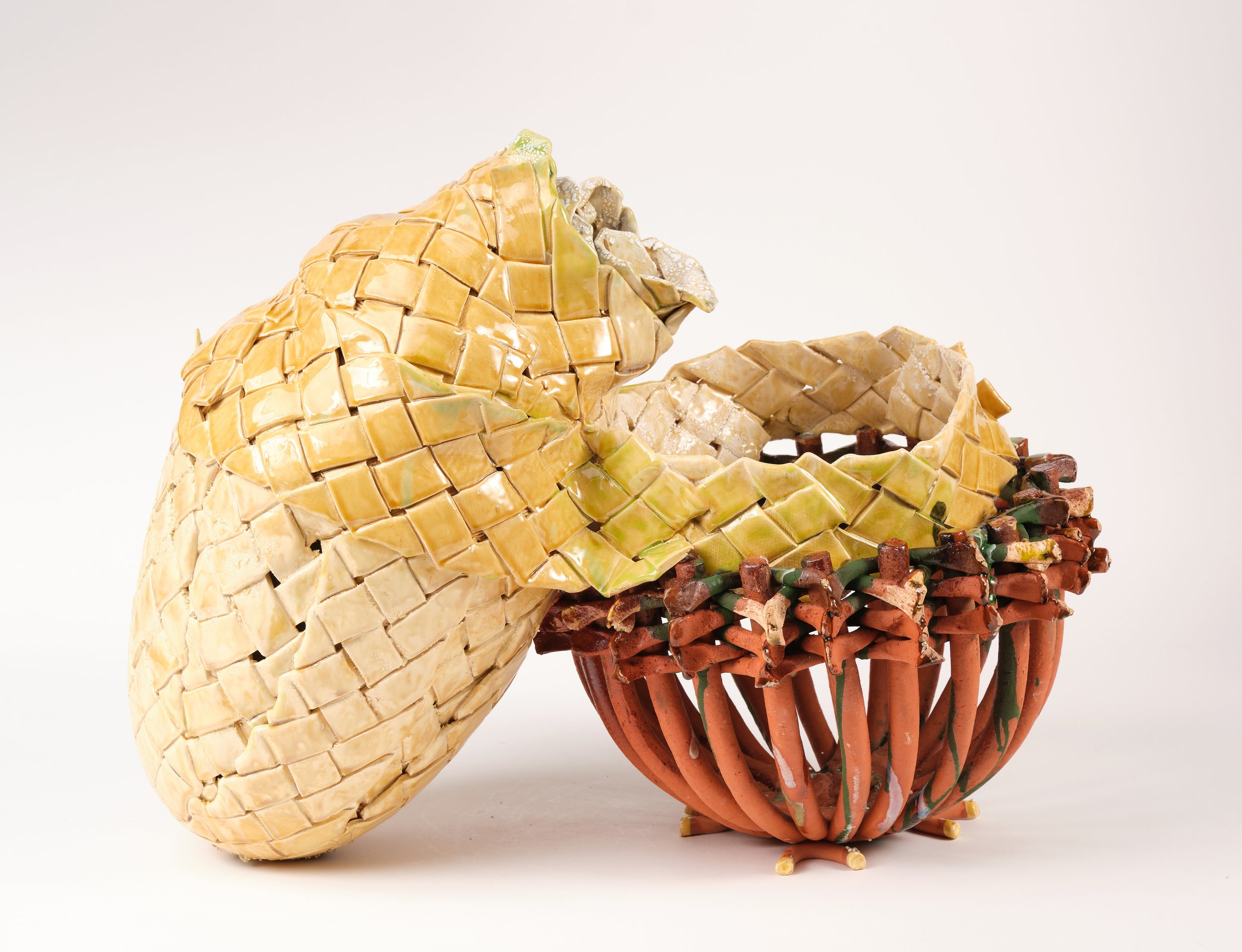
Lean Cross, 2025 Glazed stoneware 20 x 24 x 16 in. (50.80 x 60.96 x 40.64 cm) $ 25,000.00 USD
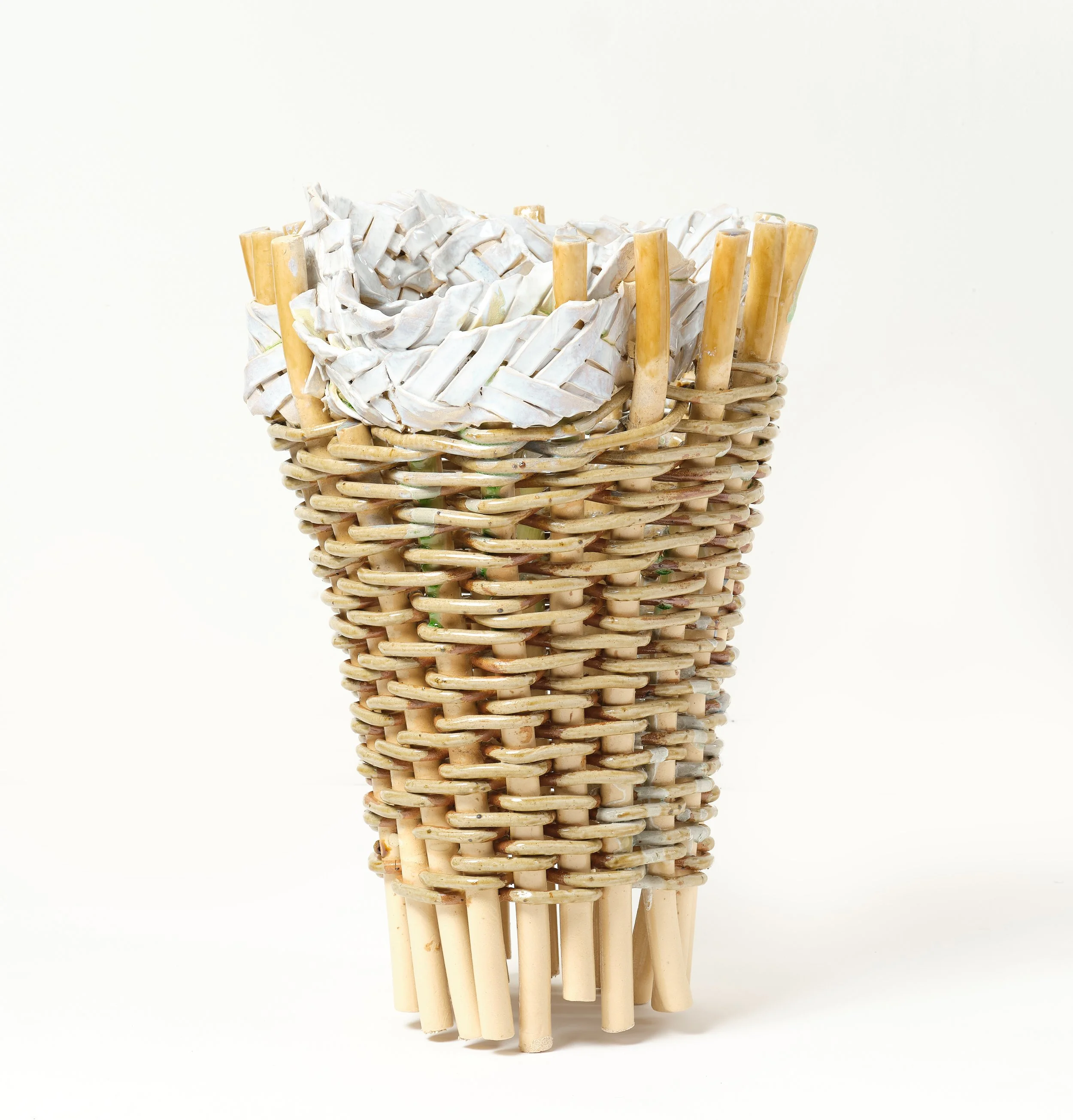
One-Sided Drum, 2024 Salt-fired, glazed, stoneware, seaglass 25½ x 18½ in. (64.77 x 46.99 cm) $ 28,000.00 USD
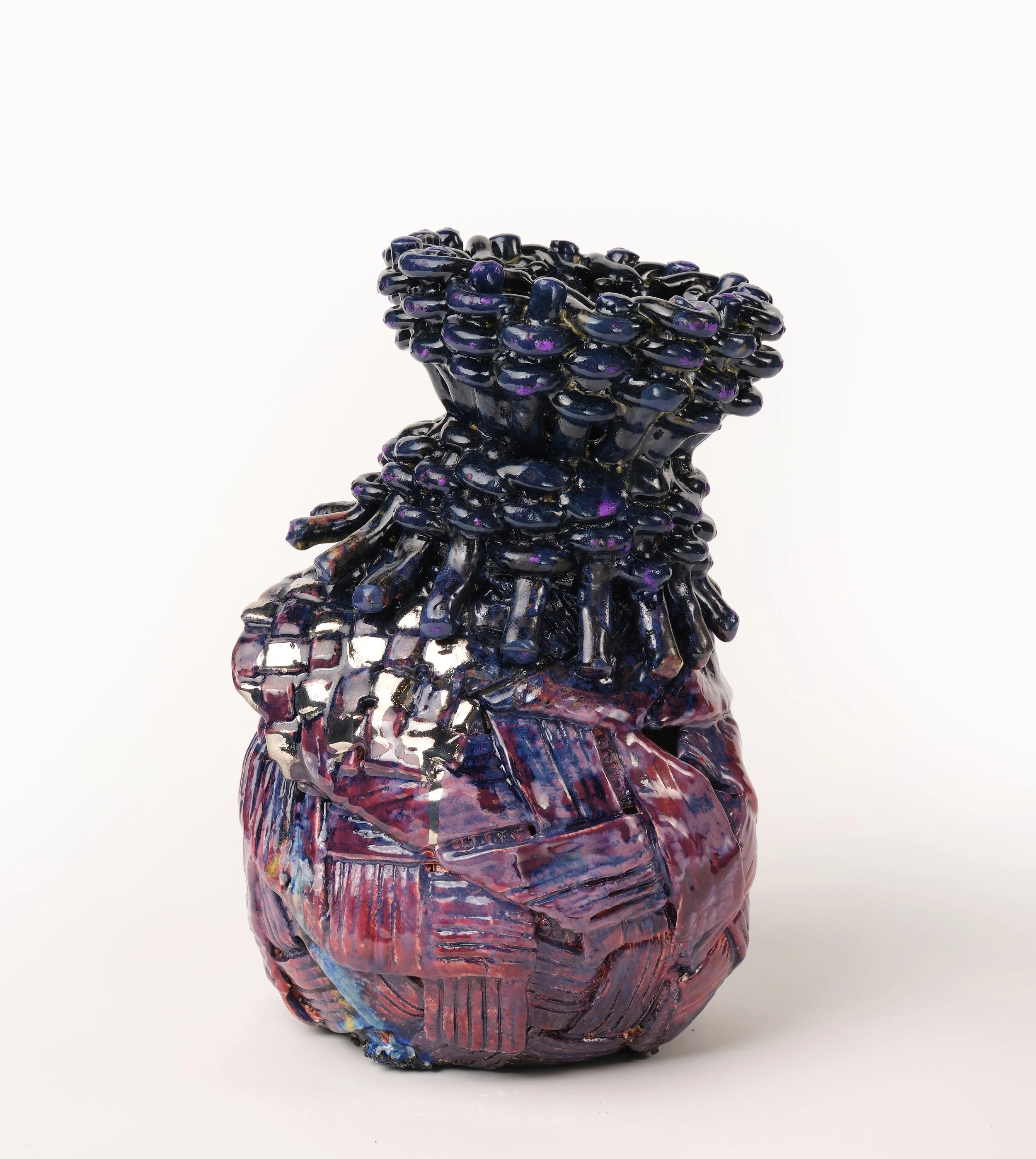
Rock-A-My-Cherry, 2026 Salt-fired glazed stoneware, seaglass 12½ x 8 x 7 in. (31.75 x 20.32 x 17.78 cm) $ 12,500.00 USD
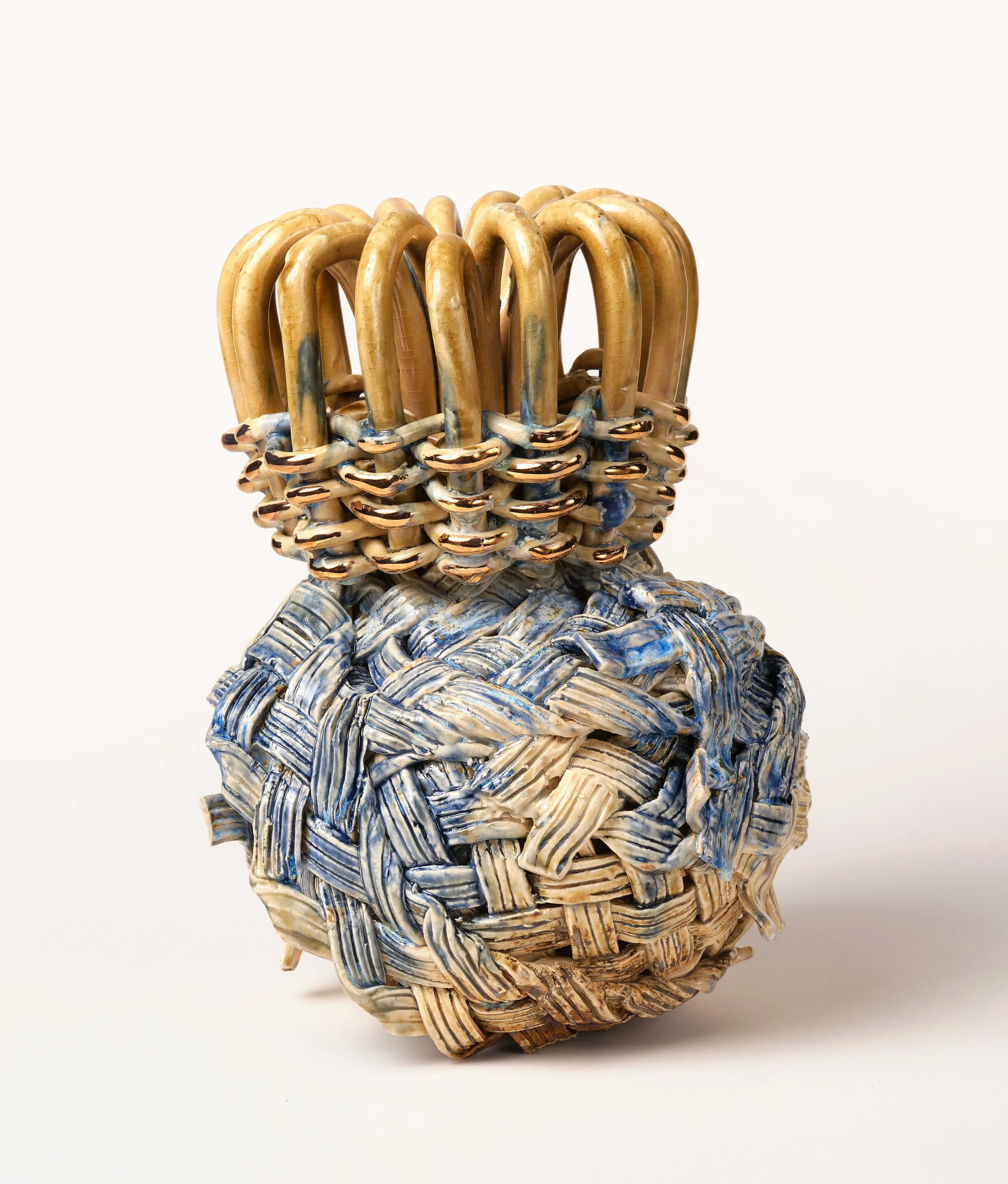
Show Me Your Motion, 2025 Glazed stoneware, silver luster, seaglass 12¾ x 9¼ x 9¼ in. (32.38 x 23.50 x 23.50 cm) $ 12,000.00 USD
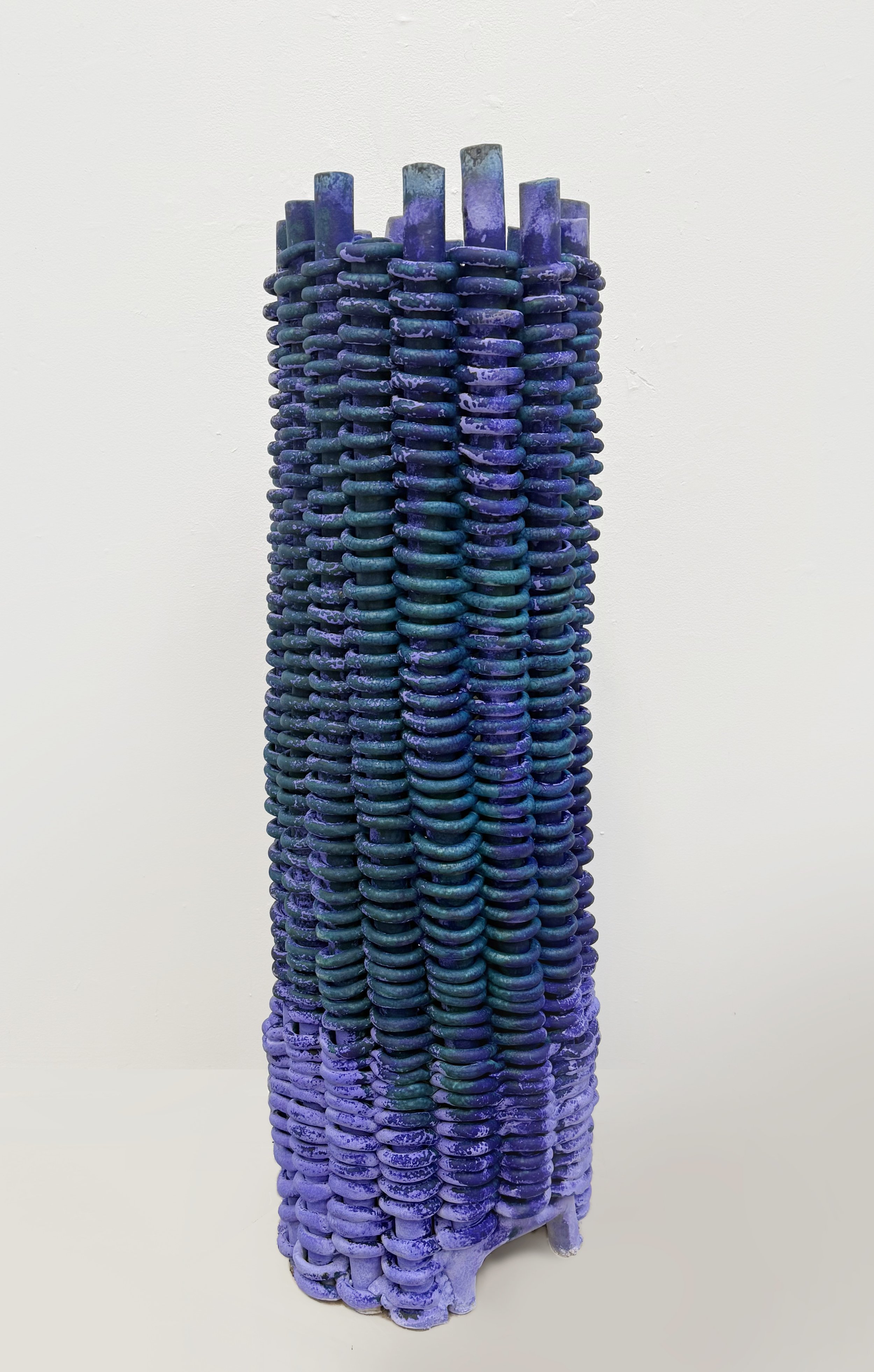
Skyscraper, 2026 Glazed terracotta 46 x 14 x 11 in (116.84 x 35.56 x 27.94 cm) $ 45,000.00 USD
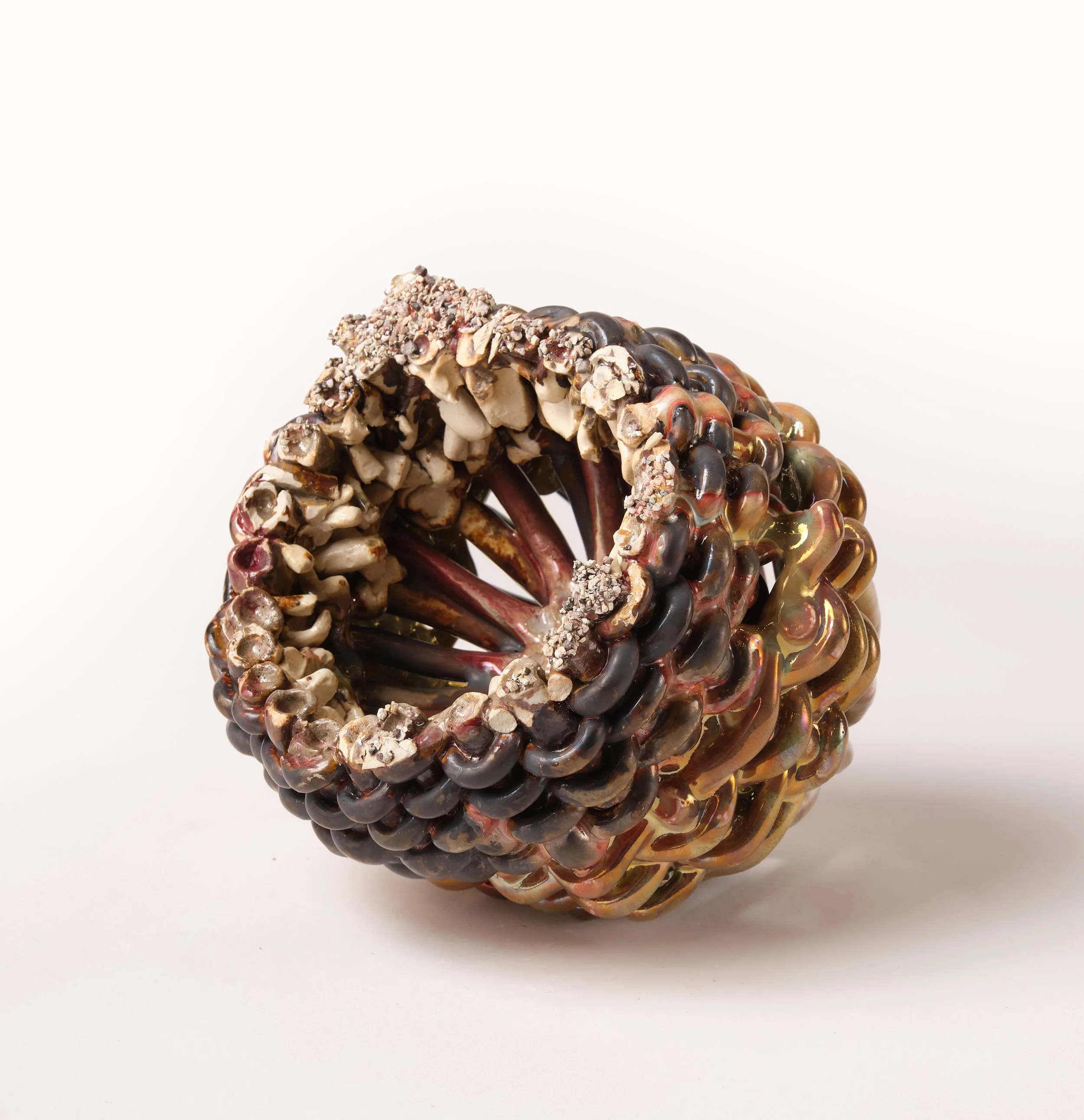
Jewel, 2026 Luster-fired stonware, sand 8 x 8 x 7in (20.32 x 20.32 x 17.78 cm) $ 8,500.00 USD
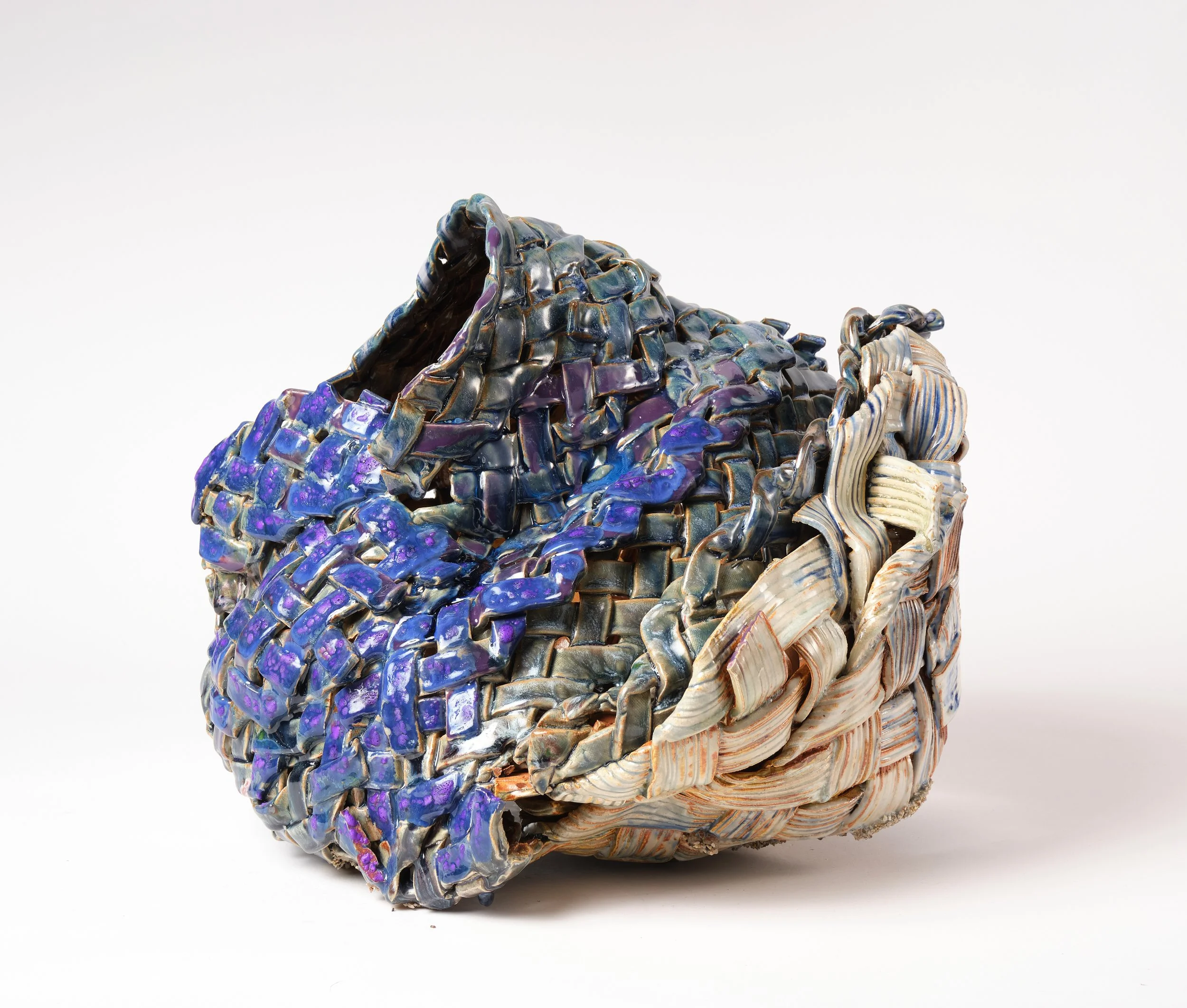
The Kumbla, 2026 Salt-fired stoneware, seaglass, sand 15 x 15 x 18 in. (38.10 x 38.10 x 45.72 cm) $ 21,500.00 USD
SOON COME HOME
Exhibition Essay
written by Amanda Coulson
“SOON COME HOME” marks Bahamian artist Anina Major’s second solo exhibition with TERN in her hometown of Nassau, presenting a new body of work that expands her exploration of memory, migration, and material culture through sculptural environments.
Major’s mental archive is firmly rooted in the Caribbean. Across individual works and larger installations, she draws on regional literature, fine art, vintage advertising, and film as both inspiration and subjects of inquiry. The exhibition’s title is inspired by Jamaican author Erna Brodber’s book “Jane and Louisa Will Soon Come Home” and asks: 'What does it mean to find one’s way back?” Rather than imagining home as a fixed geography, Major considers it an ongoing practice of remembering, repairing, and remaking—a spiritual return to wholeness through ancestral roots.
In recent years, Major’s practice has grown increasingly ambitious in scale and spatial complexity, alongside a deepening mastery of technique and an expanded experimentation with glazes and traditional straw-plaiting forms translated into stoneware. For this exhibition, she approaches the gallery itself as part of the work, creating an immersive environment into which the audience steps. The installation recalls the busy Potter’s Cay dock in Downtown Nassau, the heart of our archipelagic nation: goods are shipped to and from the Family Islands; vendors sell the fruits of their labour; mail boats come and go; men play dominoes; and food stalls hover over the water, quickly pulling up fresh conch to be scorched or diced for consumption.
While much remains unchanged at Potter’s Cay, much has also been lost. Part of Major’s work grieves this loss: the disappearance of traditional ways of making, being, and interacting, as well as her own distance from this chaotic yet deeply creative way of life we call home. Her installation abstractly recalls the jumble of crates, boxes, and pallets, drawing its colours from fruits, wares, brightly hued stalls, and their advertising signage. True to her deep knowledge of Bahamian art history, Major also draws on the palette and mood of Ritchie Eyma’s well-known painting “Potters Cay Drama” (2011), which was exhibited in “Creations Grace: A Minnis Family Retrospective” at the National Art Gallery of The Bahamas in 2014. The young artist would have encountered the work during her years of study at RISD. These references to Bahamian history, culture, and a disappearing way of life are ultimately amalgamated into the exhibition’s presentation.
Working across ceramic, glass, found objects, and neon, Major transforms the gallery into a living archive in which ancestral knowledge is carried through material, architecture, and symbolic form. Drawing on weaving traditions learned from her grandmother, the objects arranged across the abstracted wharf examine how labour, care, and craft preserve cultural memory while creating possibilities for the future.
The glass dolls—”Salt Azure”, “Brassy”, “Tigress”, and “Cyan”—escape the madness of the dockside and are arranged on a shelf opposite Eyma’s painting, which was loaned for the exhibition. The dolls are an important part of Major’s personal history, recalling her early days as a new immigrant to the United States, when she encountered the cold and loneliness of a new environment. At a flea market, she happened upon an old Bahamian straw doll of the type her grandmother, Saphora Newbold, would have sold at her stall in the Straw Market. The encounter led Major to consider how we assign value to objects: things that are deeply desired can later be discarded with equal ease. She purchased the doll in order to “repatriate” her. That same doll now lives in Major’s studio and travels with her on residencies, allowing her to create a sense of “home” wherever she lands.
Just as Major honours her grandmother and the matriarchs of Bahamian society—their skill, labour, and tenacity—through her larger sculptural works, these small dolls pay tribute to the disappearing craft of women whose work helped send their children to university, even as the fruits of their labour, and their place in history, can be so easily discarded. Glass and clay share a paradoxical resilience and fragility, qualities that Major also sees reflected in Black women. The act of naming each doll offers another subtle intervention, calling attention to historical, often foreign, image-makers who photographed unnamed Black women during the colonial period, reproduced their images on postcards, and used them to market The Bahamas.
Throughout the exhibition, navigation emerges as a metaphor for identity and belonging. Works such as “I Am Altering My Course to Port” appropriate the language of international maritime signal codes, suggesting that home is not a destination but something continually negotiated. Outside the gallery, the neon work “(NO) VACANCY” borrows its title from a beloved volume of Bahamian poetry by the recently deceased cultural icon Patricia Glinton-Meicholas. The work challenges idealised visions of the Caribbean, asking who belongs, who is displaced, and how ideas of paradise are constructed. By employing neon—a familiar language of advertising—Major draws us in with bright, attractive colours before prompting us to reconsider our position.
Major demonstrates an immense aptitude for her craft while both honouring and interrogating our collective history in The Bahamas. Her work holds pride and critique in tension, expressed with such subtlety and poetry that it creates space for deep conversation, grief, and a wide range of reactions and emotions. Positioned at a pivotal moment in Major’s practice, “SOON COME HOME” reflects her expanding interest in sculpture as an architectural and spatial language—one that invites viewers to move through environments where personal memory, collective history, and cultural imagination converge.