

Artist Biographies
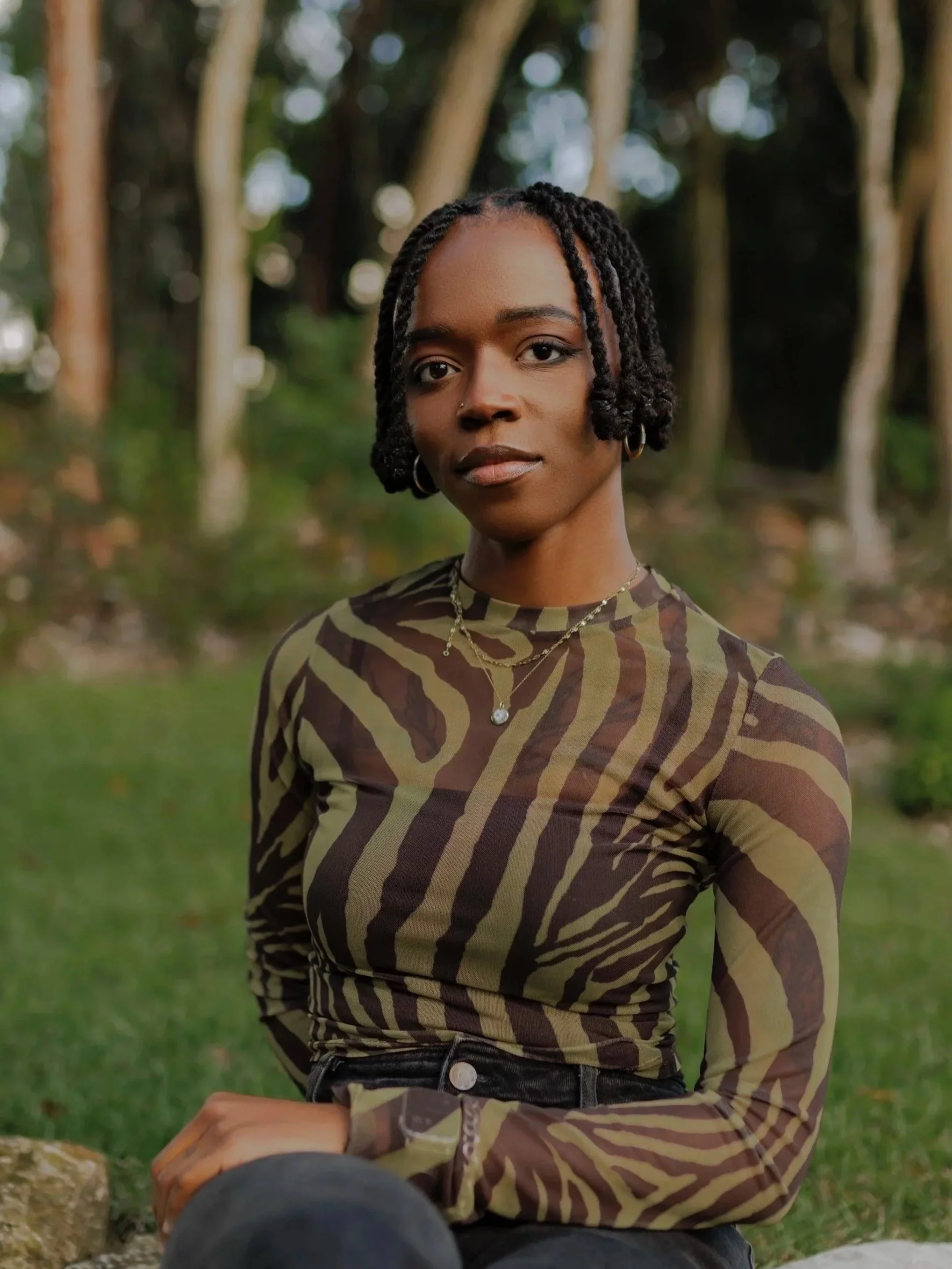
Cydne Jasmin Coleby (b. 1993, The Bahamas) is an interdisciplinary artist primarily working in digital and mixed media. Her collage practice investigates the transformative effects of trauma and grief through a personal lens. Her practice meditates on the difficulty in distinguishing between which experiences (lived and inherited) inform, rather than define, our sense of identity. Coleby’s work has been exhibited in Europe, Asia, Central America, the United States, and the Caribbean. She is a part of the permanent collections of The Syracuse University - Art Museum Syracuse, NY, and Xiao Museum of Contemporary Art, Rizhao, China.
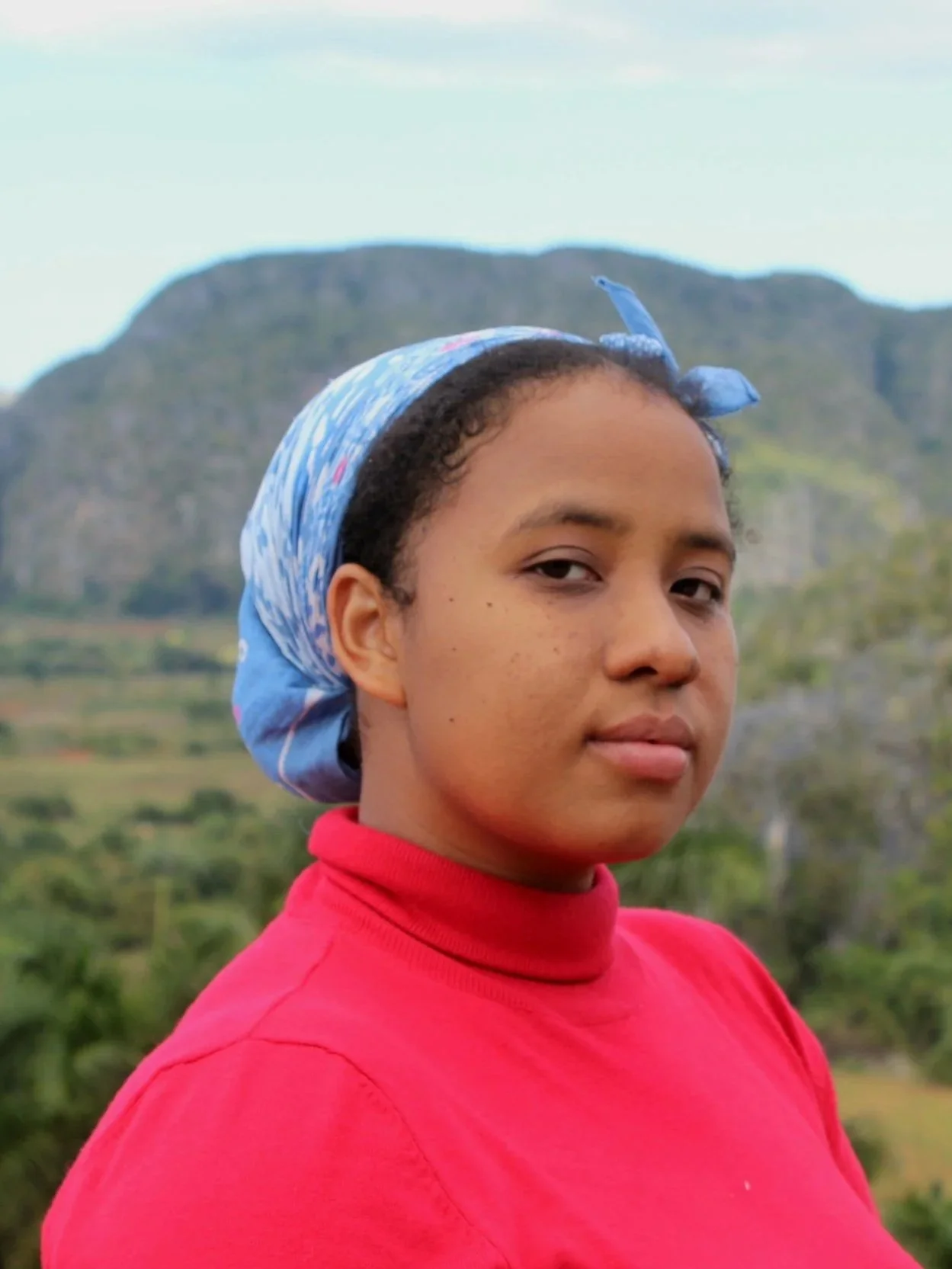
Amaani Hepburn (b. 2000, The Bahamas) is an artist and arts educator whose practice explores the nature of intimacy, self, and environment. Drawing from personal experience and communal memory, Hepburn weaves ideas of community, re-examines identity, and builds a layered mythos around everyday life. Hepburn earned her Associate of Arts in Art from the University of The Bahamas. Exhbitions include “In the Sway of The Wind”, Mestre Projects, Nassau (2024); “NELEVEN: Into the Void”, National Art Gallery of The Bahamas, Nassau (2025); “Reglas Paralelas”, Bordón’s Studio, Havana (2024).
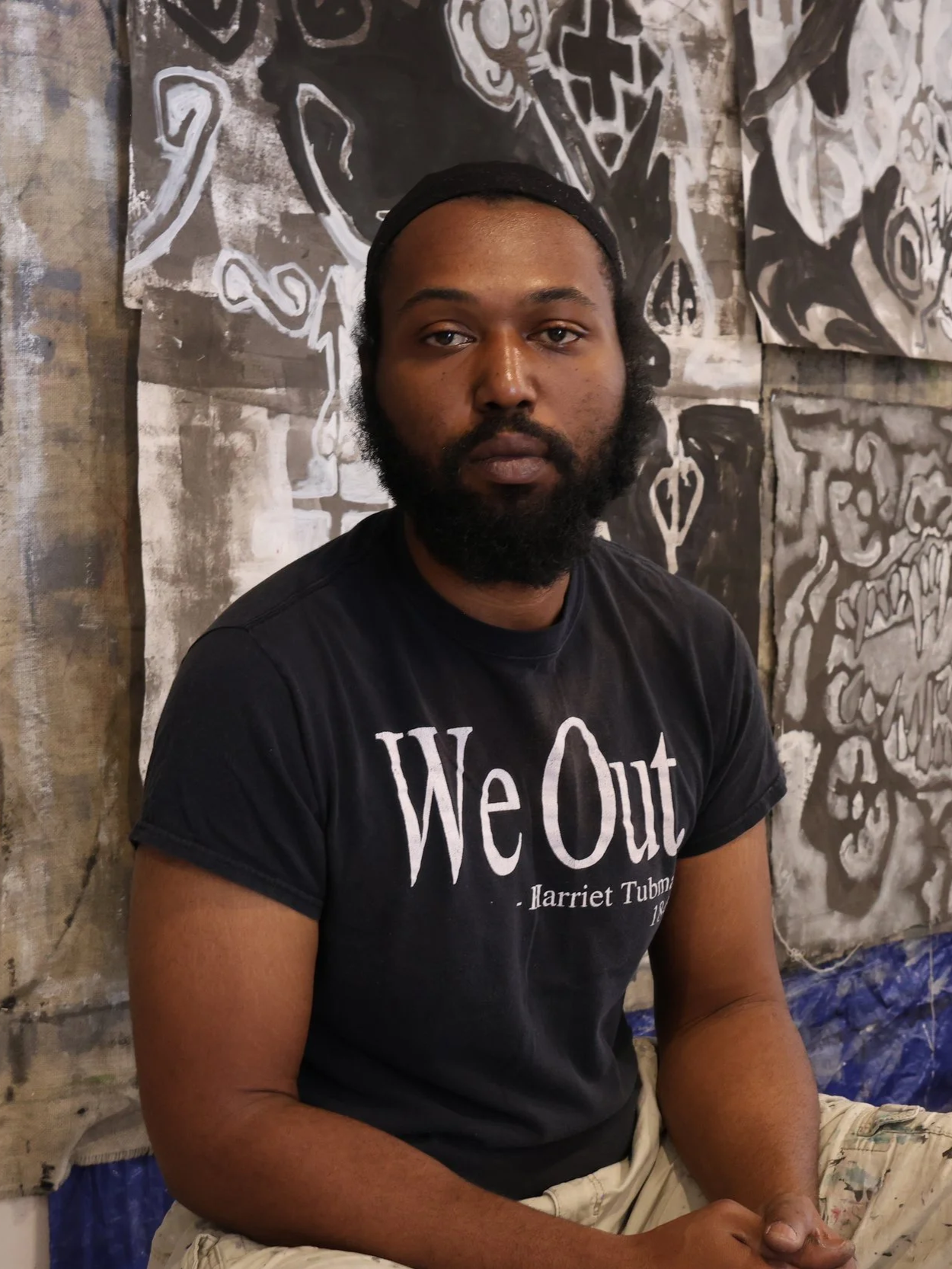
Matthew David Rahming (b. 1997, The Bahamas) is a contemporary Bahamian artists working primarily in abstraction. His practice is grounded in drawing and painting, exploring rhythm, structure, and texture through layers of charcoal, oil, and mixed media. Rahming has established himself as an emerging voice in Bahamian art. His most recent solo exhibition was “Sons of David”, Central Bank of the Bahamas, (2025). He also participated in the prestigious Fountainhead Residency in Miami, sponsored by the Central Bank of The Bahamas, in 2025, where he further developed his approach to large-scale abstraction.
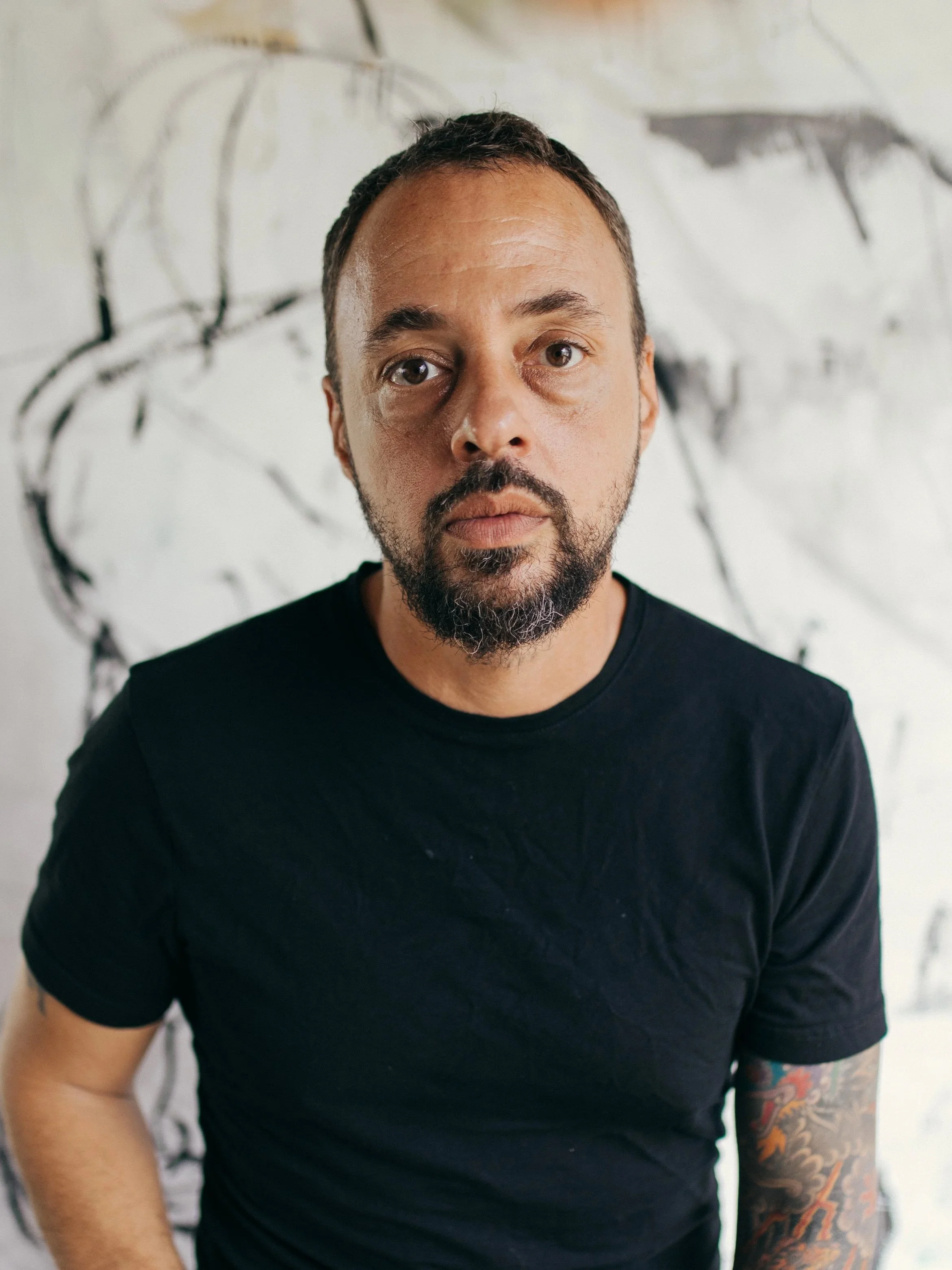
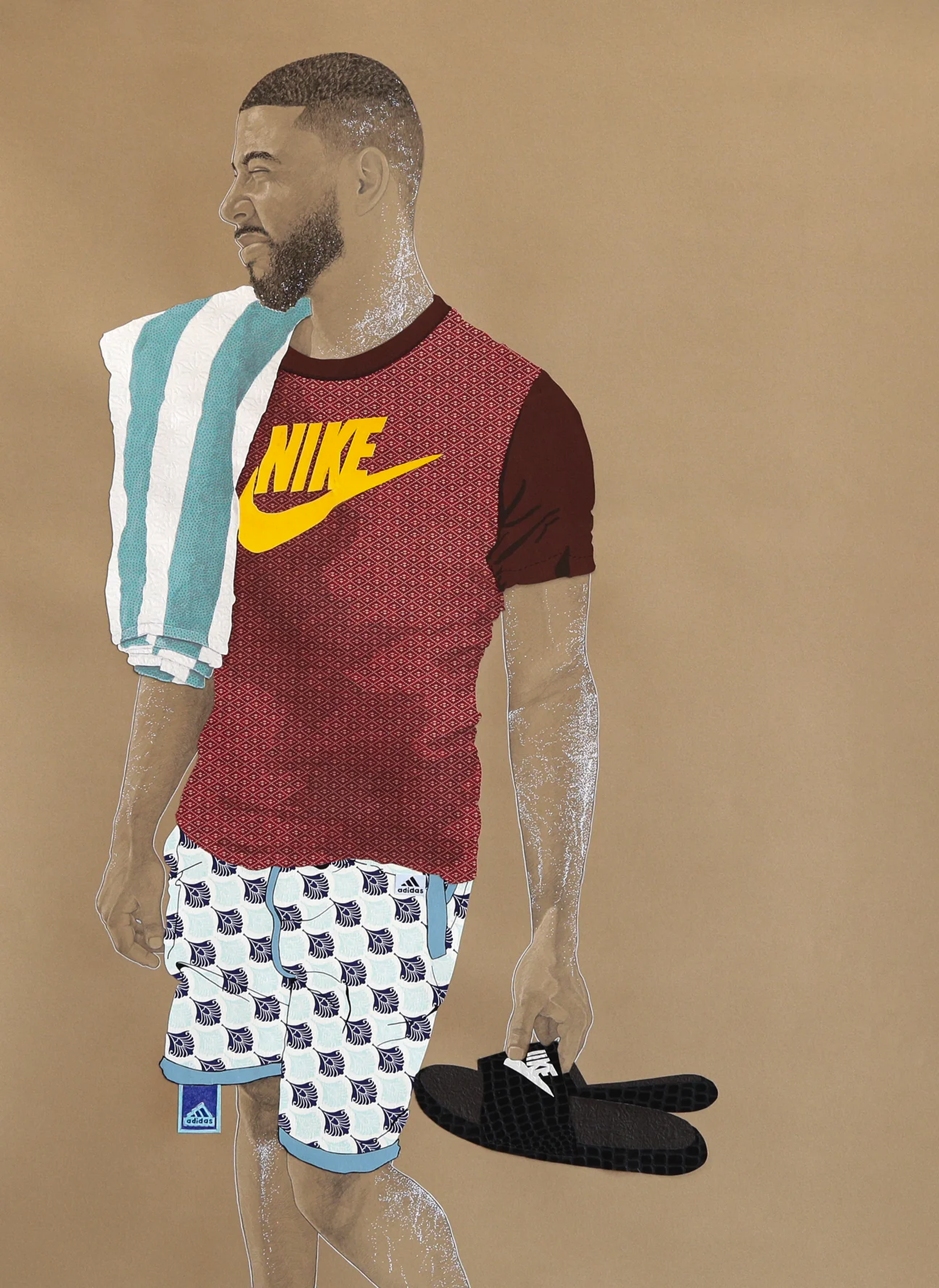
Heino Schmid (b. 1976, The Bahamas) is a multi-media artist working in a variety of disciplines that drive his creative process of visual deconstruction and cultural analysis. Working primarily in iterations of charcoal on paper, Schmid’s gestural drawings focus on the nuances of posture, relation, and reduction. As an observer, he pulls from remembered gestures as a primary visual vocabulary. He completed his MA in Fine Arts from Utrecht Graduate School of Visual Art and Design in The Netherlands in 2006. Schmid is a pivotal professor at the University of the Bahamas. As well as a founding member of POPOPStudios, emphasizes collaboration and the activation of space throughout his practice.
Works List
All prices inclusive of 10% Bahamas VAT
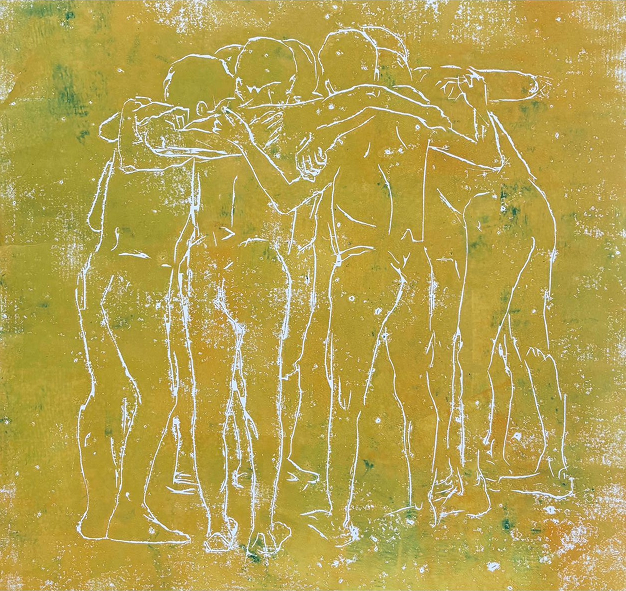
Heino Schmid: Huddle VI, 2026. Woodcut. 33 x 34 in. (83.82 x 86.36 cm). $4,400

Cydne Jasmin Coleby: Hide & Seek, 2026. Mixed media on Rives BFK paper. 41 x 31 in. (104.14 x 78.74 cm). $7,975

Amaani Hepburn: Flowers for the Fringe Dweller, 2026. Oil on canvas. 48 x 60 in. (121.92 x 167.64 cm). $7,150
Matthew David Rahming: All the saints are as people, as grass, 2026. Acrylic, charcoal, oil pastel on canvas. 60 x 72 in. (152.40 x 182.88 cm). $13,200
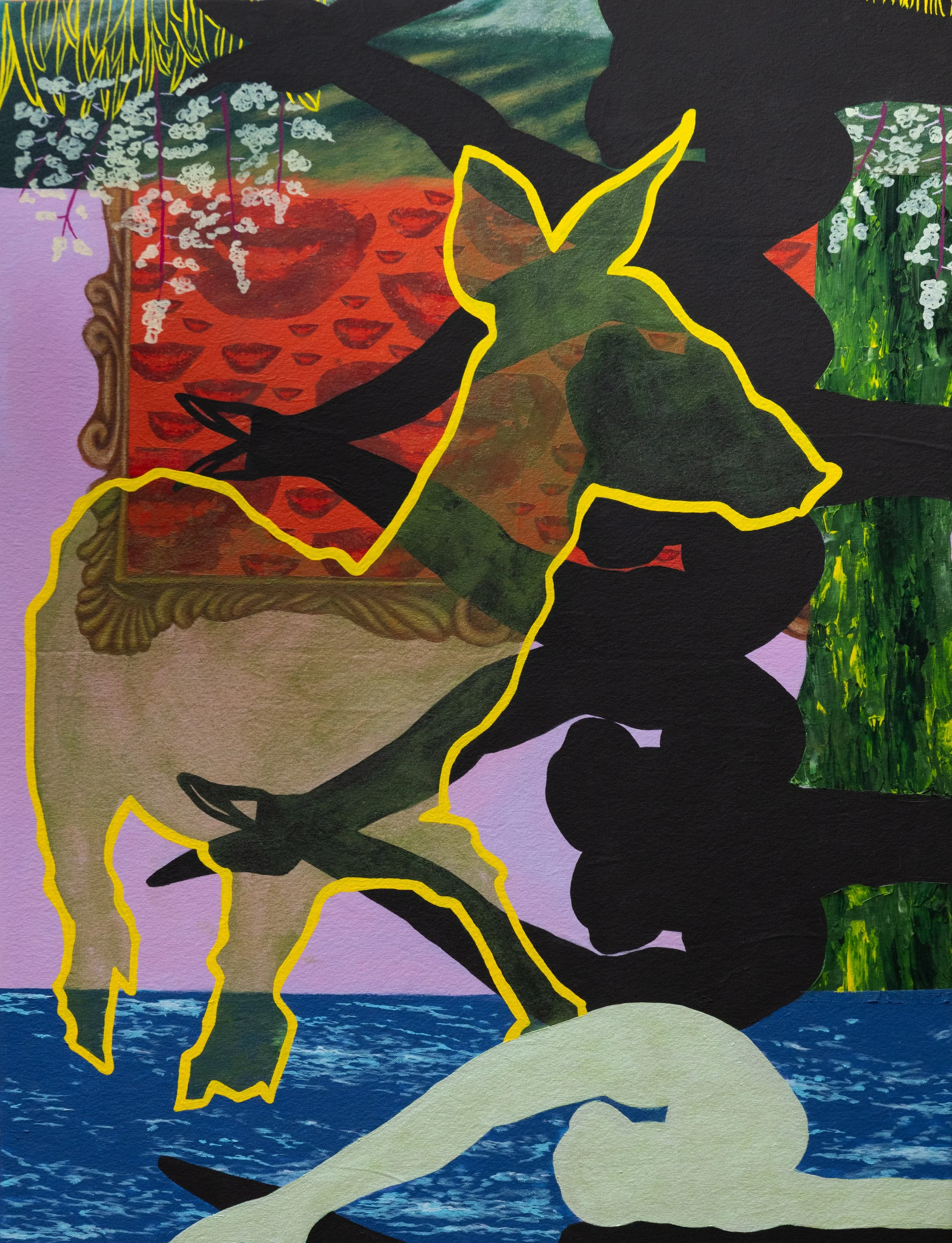
Cydne Jasmin Coleby: Fawning, 2026. Mixed media on canvas. 48 x 36 in. (121.92 x 91.44 cm). SOLD
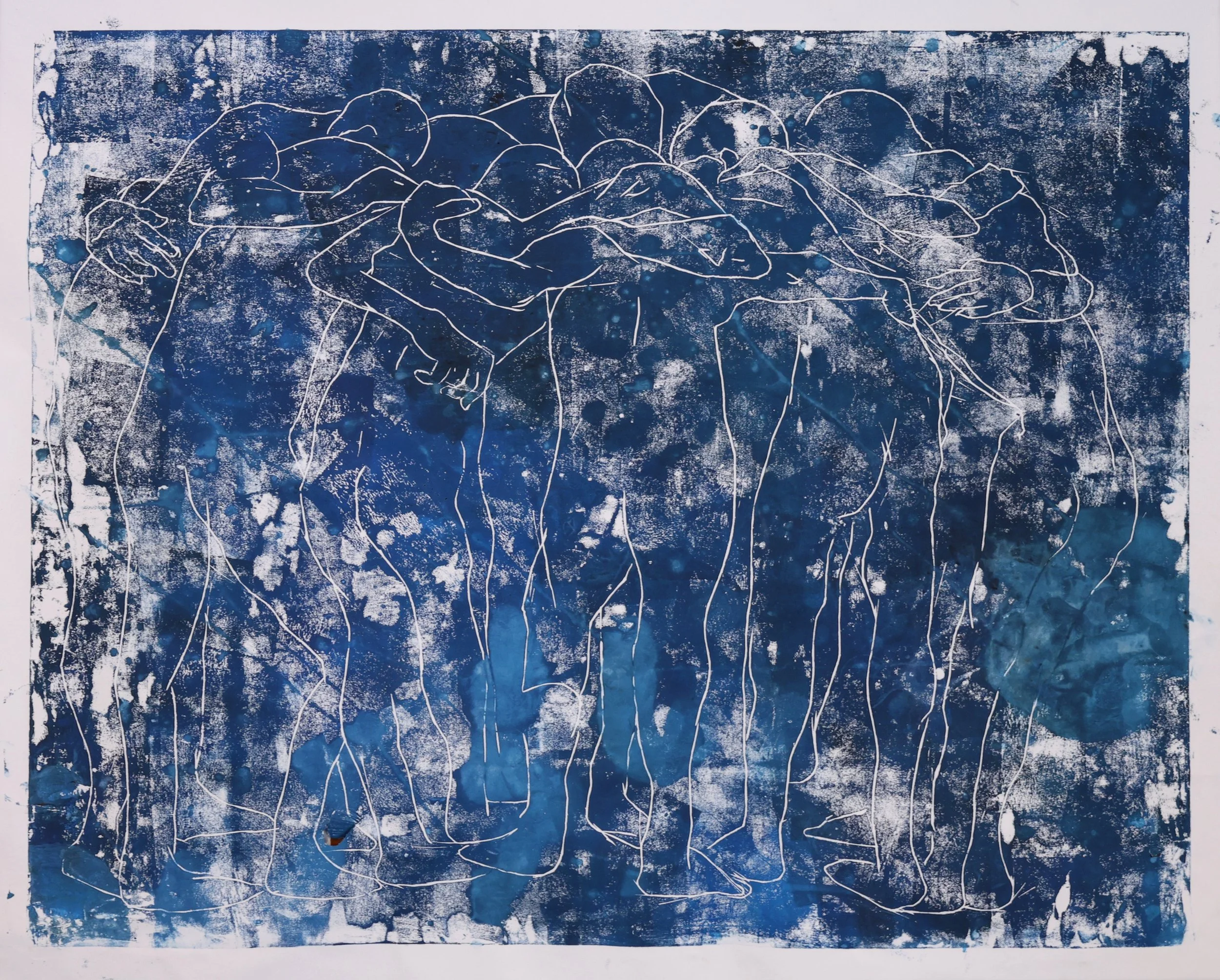
Heino Schmid: Huddle IV, 2012/2026. Woodcut. 54 x 62 in. (137.16 x 157.48 cm). Framed. $10,450

Amaani Hepburn: Iliad of the Shape that Shifts, 2026. Oil on canvas. 48 x 66 in. (121.92 x 116.84 cm). SOLD
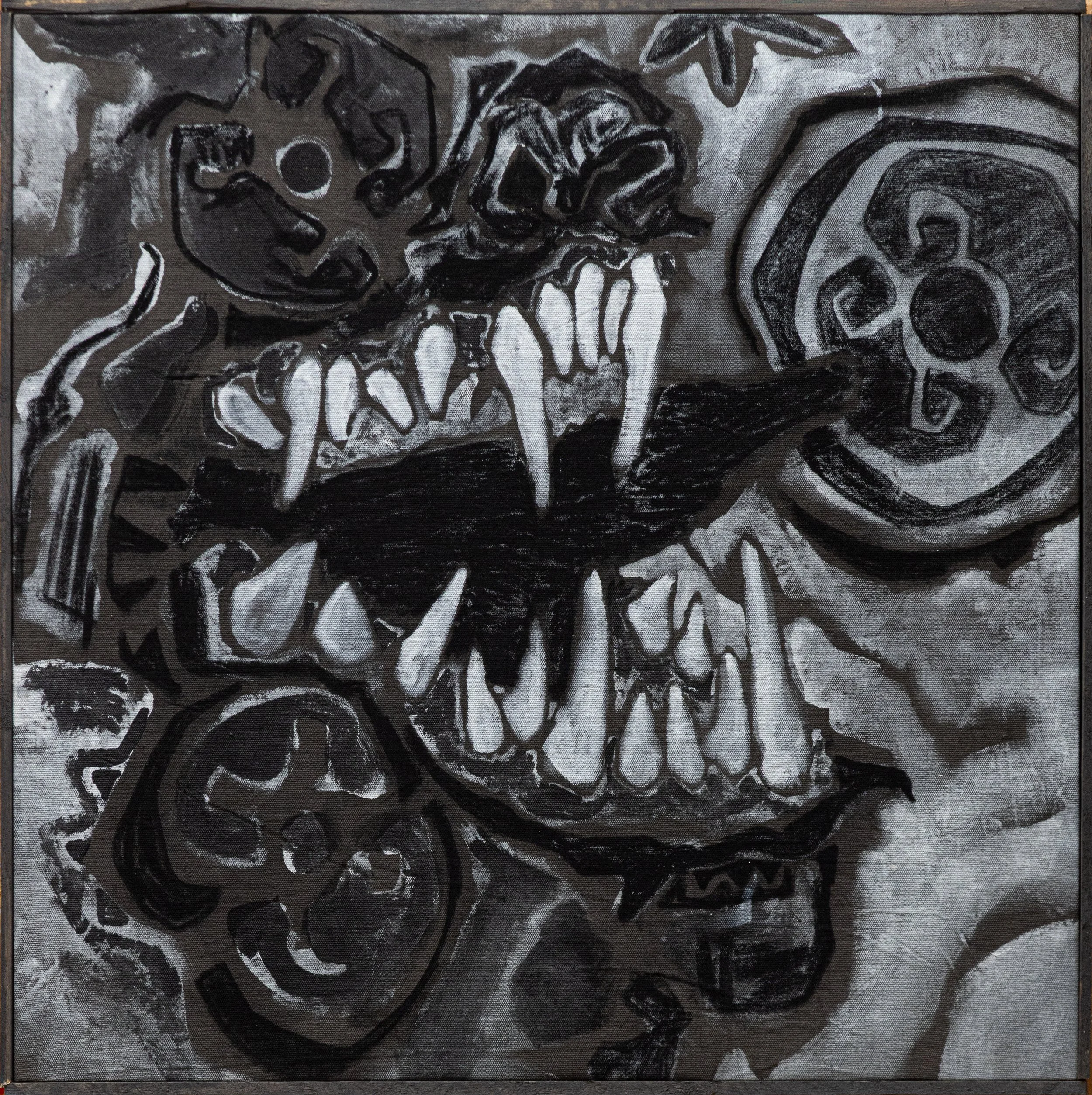
Matthew David Rahming: I laugh and I eat well, 2026. Acyrlic and charcoal on canvas. 27 x 27 in. (68.58 x 68.58 cm). Framed. $3,850
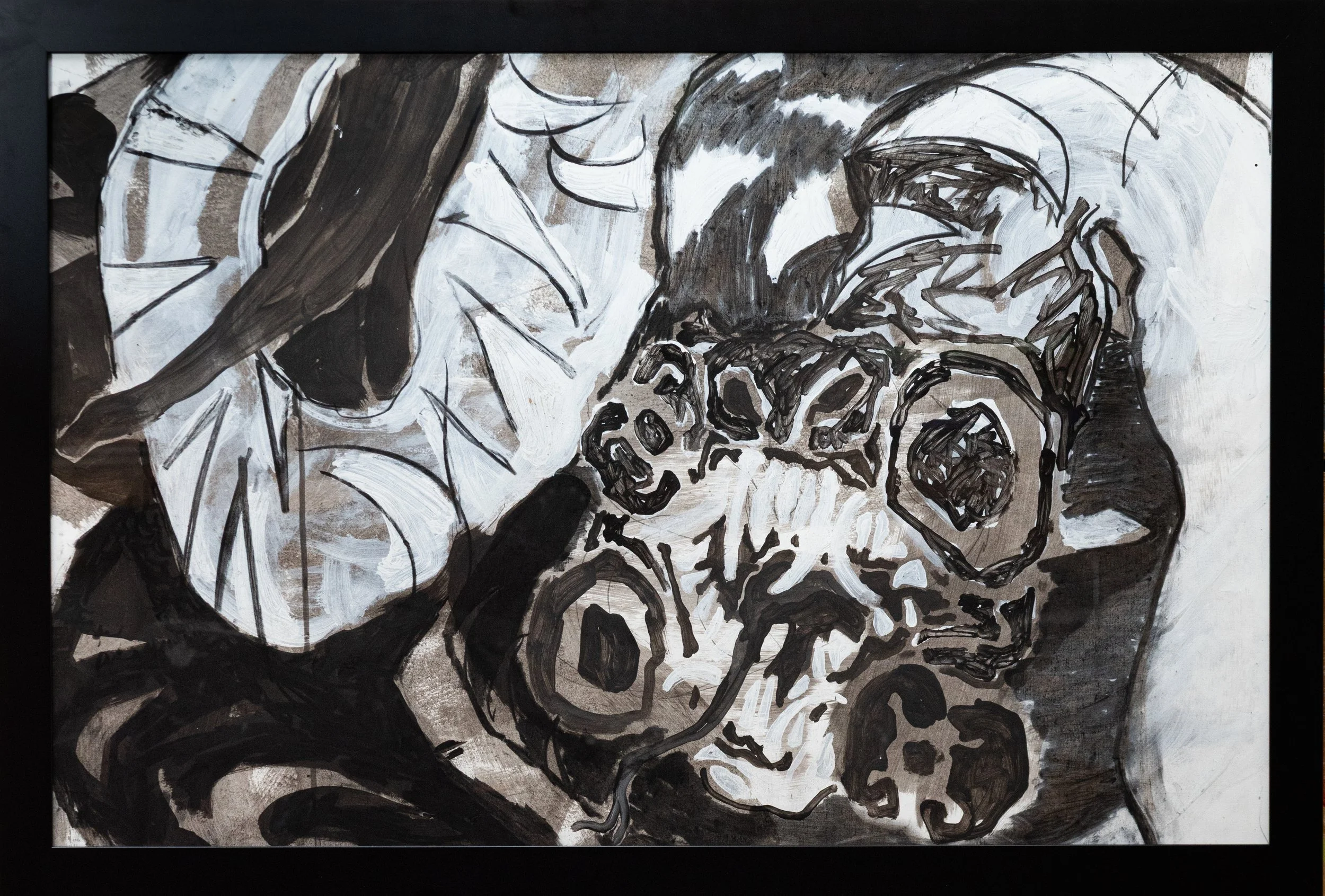
Matthew David Rahming: I have known rivers ancient as stars, as rain, 2026. Acrylic and charcoal on paper. 26 x 38 in. (66.04 x 96.52 cm). Framed. $4,620
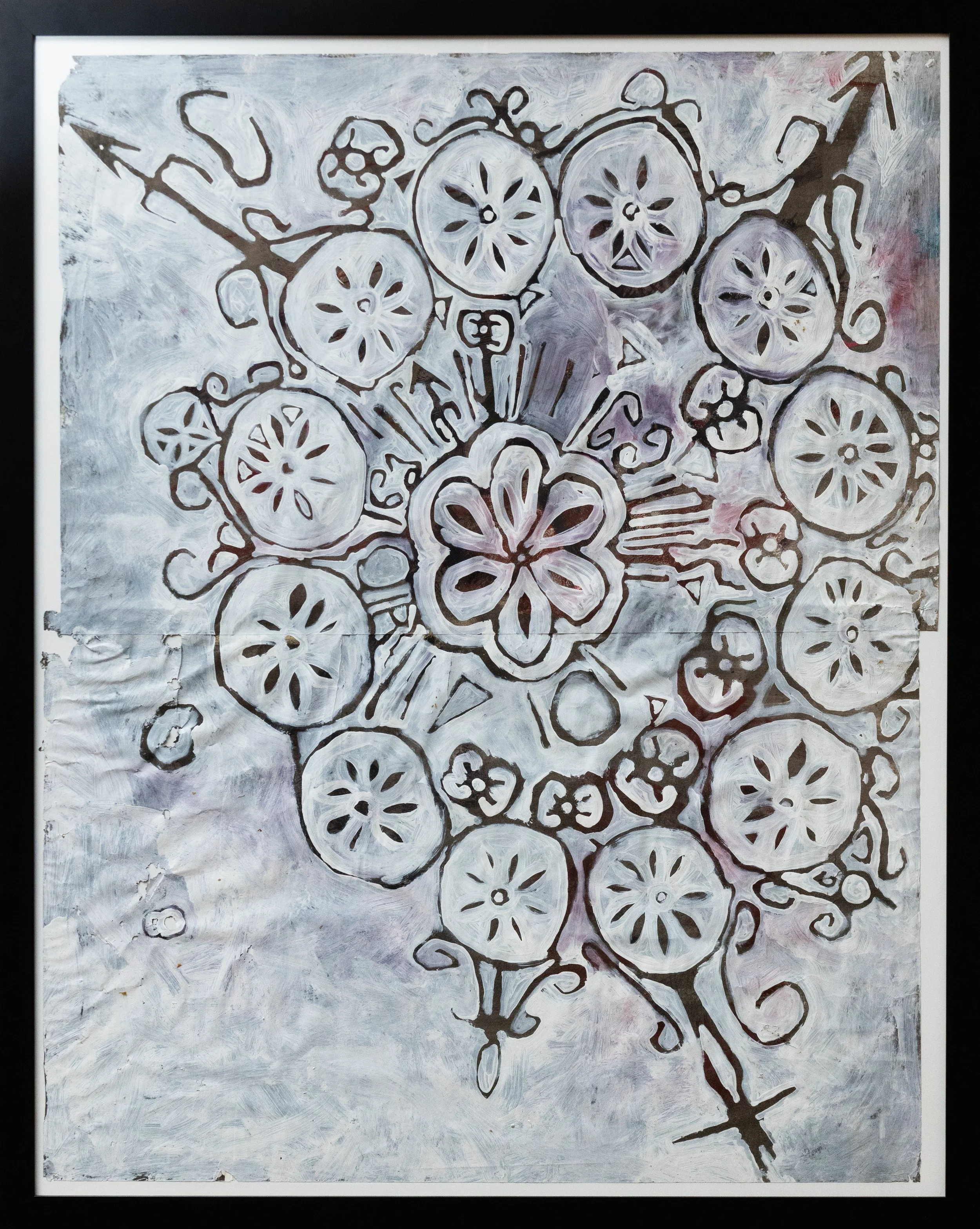
Matthew David Rahming: Snow is melting in Jamaica, 2026. Acrylic on paper. 51 x 41 in. (129.54 x 104.14 cm). Framed. $6,600
Exhibition Essay
by Christina Wong-Turnquest
“We are our own discoverers, staking claim to territory,” wrote the late Patricia Glinton-Meicholas in her poem, “Staking Claim to Our Souls”, from her collection “Chasing Light”. This excerpt from the poem is both an invocation and a challenge in “We Are Our Own Discoverers”, a group exhibition grounded in the enduring pursuit of truth-seeking, which requires a determined form of searching, an inward excavation as much as an outward journey. Parallel to pirates pursuing buried treasure or an astronaut on a scientific voyage, the artists position themselves between shadow and illumination, exploring what it means to discover oneself before surrendering to external systems, institutions, or expectations. Light becomes more than a symbol; it emerges as energy, revelation, clarity, confrontation, and radiant transformation. As bioluminescent beings, how do we uncover and draw from this light when it cannot be seen by the naked eye? This inquiry is deepened by this body of work, and the artists’ visual languages communicate distinctly and intuitively.
Working across multiple media in this exhibition, Amaani Hepburn, Cydne Jasmin Coleby, Heino Schmid, and Matthew David Rahming investigate how memory, folklore, mythology, and social structures shape personal and collective understanding. Their practices emerge from the village that influenced them, their cultural landscape, and lived experiences, particularly within Caribbean realities, where oral histories, communal bonds, and survival strategies have long carried knowledge across generations. The exhibition draws from Glinton-Meicholas’ commitment to preserving cultural memory through storytelling and positioning folklore not as fantasy, but as a living method of disseminating truth. These artists operate as investigators of both visible and invisible systems. Their act of being makers interrogates power, challenges inherited narratives, and traces the subtle ways people adapt, conceal, protect, and transform themselves within their environments. Together, the works suggest that discovery is a deliberate act of claiming agency over one’s imagination, history, and future.
Throughout the exhibition, figures and creatures emerge from obscured spaces, hovering between the familiar and the mythological. Hepburn’s paintings, “Iliad of the Shape that Shifts” and “Flowers for the Fringe Dweller”, investigate reptilian beings as central figures that emerge through themes of folklore, dream, and mythology. Referencing Narcissus, she uses deep, luminous color palettes to create scenes where serpent-like creatures with human limbs emerge from shadow into illumination. One figure appears captivated by its reflection, unaware that the encounter is ultimately a confrontation with the self. These hybrid forms investigate adaptation and camouflage as mechanisms of survival, positioning transformation as an ongoing process of becoming through confrontation with one’s own shadow or reflection, which has been historically tied to reinvention within the Caribbean experience.
Through layered mediums, color, spatial composition, and symbolic imagery, Coleby creates contemporary surreal works that investigate the psychological residue of childhood experience and self-preservation. In “Hide & Seek” she reflects on the process of “inner child work,” examining how formative memories and behavioral patterns remain embedded within the subconscious, accessible only through careful acts of introspection. Meanwhile, “Fawning” considers the lesser-known trauma response in which the self becomes contorted in the pursuit of safety, harmony, or survival within dependent relationships and social structures. Both works reveal the gradual process of confronting and reclaiming one’s sense of self. Similarly invested in the ongoing investigation and process of intimacy and human interdependence, Schmid revisits his earlier “Huddle” series. The blue-toned and yellow block prints foreground intimacy and collective tension. Within these works, the figures gather in a circular formation, their arms entangled and their bodies partially obscured through patchy impressions and shadowed surfaces. The proximity within these compositions oscillates between comfort and conspiracy, reflecting the fragile complexities of community, interdependence, and belonging. Schmid further examines the dynamics within these circles regarding who has access, what remains concealed, and whether these bonds can be mangled.
Within Rahming’s practice, minimal color palettes become intentional acts of restraint, refusing distraction in favor of the symbols embedded throughout his works. Through titles such as “I Have Known Rivers Ancient as Stars, As Rain”, and “I Laugh and I Eat Well”, that reference poems by Langston Hughes, Rahming constructs visual environments shaped by iron gates, serpents, and implied guard dogs. These recurring forms speak of boundaries, systemic control, and social hierarchy, as well as the necessity of guarding oneself within imposed structures. In “All the Saints Are as People, as Grass”, Rahming examines human impermanence, that all bodies inevitably return to dust. Across these works, he seeks to illuminate obscured tensions while urging caution toward the systems that quietly govern movement and belonging.
Conclusively, “We Are Our Own Discoverers” proposes truth-seeking as both a personal responsibility and a collective undertaking. At a time when external pressures increasingly shape how people see themselves and each other, this exhibition reminds us that discovery begins within. It takes courage to confront obscured realities. These artists urge us to reclaim ownership over how we imagine, create, and move through the world.
Christina Wong-Turnquest is a Bahamian curator, consultant, and multidisciplinary artist whose practice centers Afro-Caribbean identity, mental wellness, and cultural dialogue. She curated “New Beginnings” by Antonius Roberts at I.C.E. Bahamas and continues to contribute to the advancement of contemporary Bahamian art through exhibitions, mentorship, and cultural programming. Wong-Turnquest also serves as Vice President of Transforming Spaces.
Patricia Glinton Meicholas
Quotes from “Chasing Light” Collection
Yet, here I am Here I stand.
from "Fringe Dweller"Call me yours again!
Re-member me,
grow me a griot’s tongue to tell the ancestral tales,
give me warrior’s legs to leap the rough Atlantic chasm
and arms to embrace the freedom that is mine by right.
from "Remembering, Re-membering"shared love, hope and— yes—
shared grief,
creating an album
of treasured, indelible memories.
from "Banishing Grief"Generous often profligate,
she spreads herself equally
in manager and mansion,
over untamed field
and formal garden,
gracing rustic board no less
than lordy table
from "Beauty Is Not Partial"But still, I am, I live;
A woman, mistress
of unconquerable convictions.
from "Woman Unconquerable "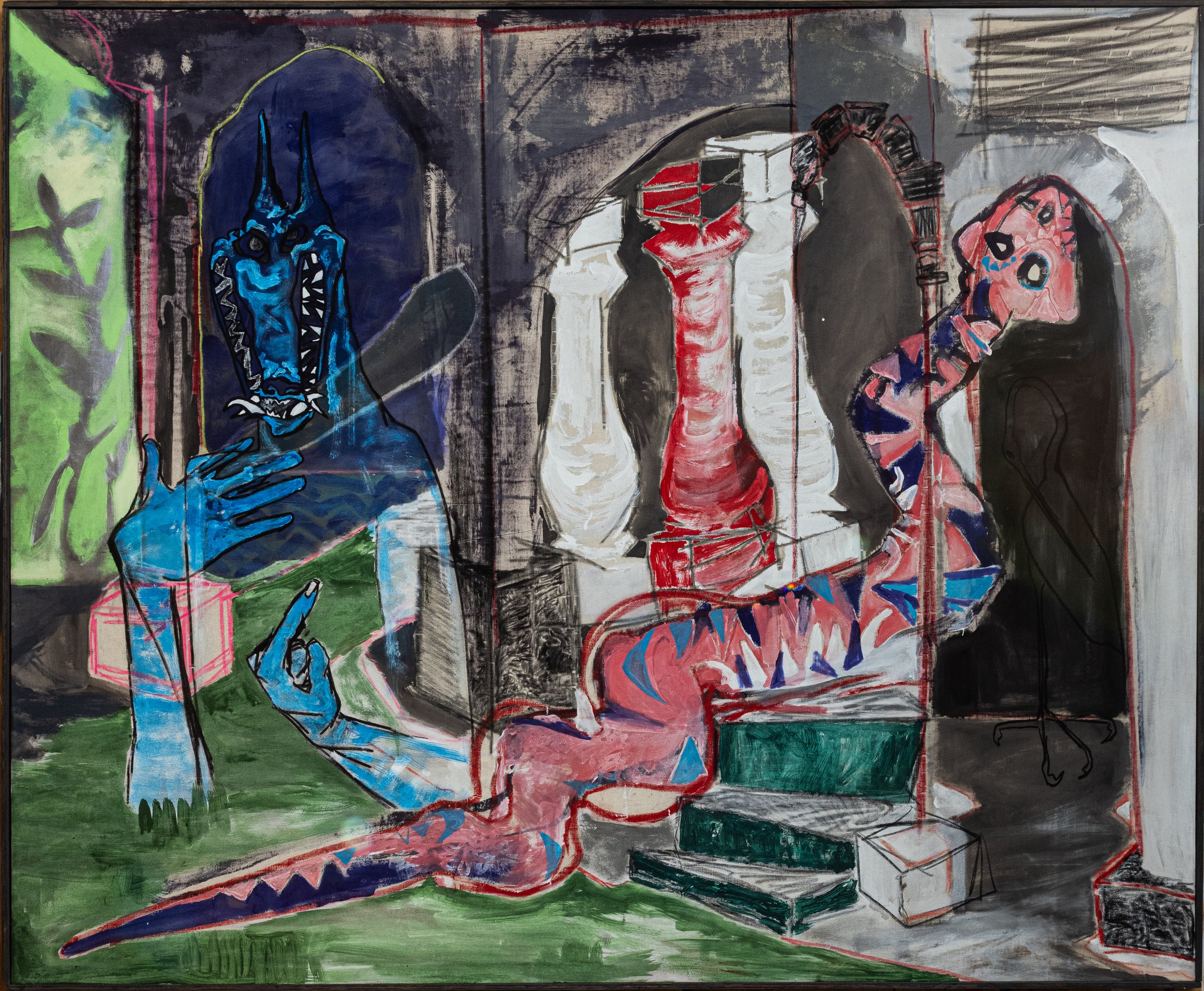

Transforming Spaces is an annual island-wide art bus tour held in Nassau, The Bahamas, showcasing the best in contemporary Bahamian visual art. Now in its twenty-first year, Transforming Spaces continues to showcase the amazing talent of both emerging and professional Bahamian artists!
TS continues to offer a platform that allows participating galleries and community spaces to ‘'transform' for an exciting art-filled weekend. We desire to bring Bahamian art to the forefront of the creative economy by challenging artists, innovators and artisans to explore and create.
Transforming Spaces prides itself on fostering connections and collaborations with artists, curators, and art enthusiasts, whilst highlighting regional and diasporic contemporary art practices.